Manuel Caipo
Machine Learning Engineer with a background in Mechanical Engineering, working at the intersection of artificial intelligence, data engineering, and complex engineering systems.
I develop machine learning systems and data infrastructures for industrial cyber-physical environments, combining physical modeling, industrial domain knowledge, and scalable data pipelines to build reliable and interpretable models for real-world engineering applications.
During my work in the mining industry at Freeport-McMoRan, following a highly selective recruitment process (100 selected from over 16,000 applicants), I developed machine learning systems for predictive maintenance of large-scale equipment, improving asset availability and enabling data-driven operational decision-making.
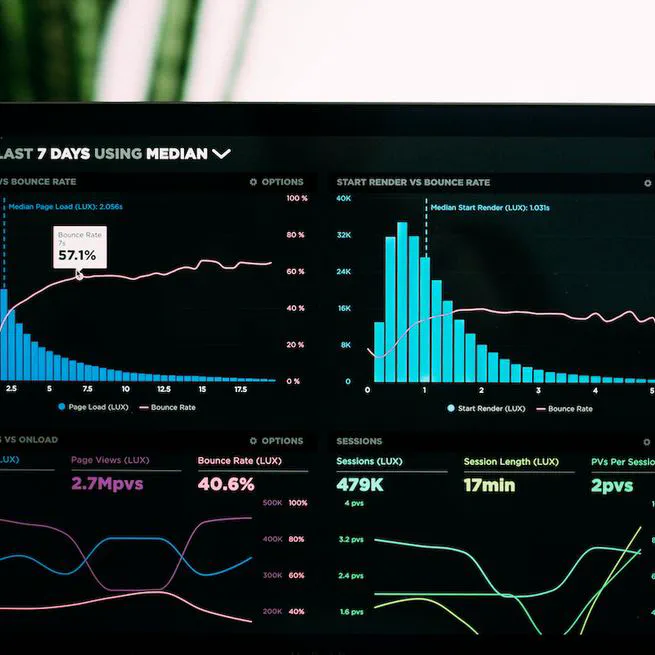
Currently at Bosch Rexroth, I work on AI-based condition monitoring for hydraulic systems, designing industrial data pipelines and real-time telemetry architectures that integrate sensor streams, messaging systems, and machine learning models for intelligent monitoring and decision support.
My research focuses on structured machine learning for engineered systems, including:
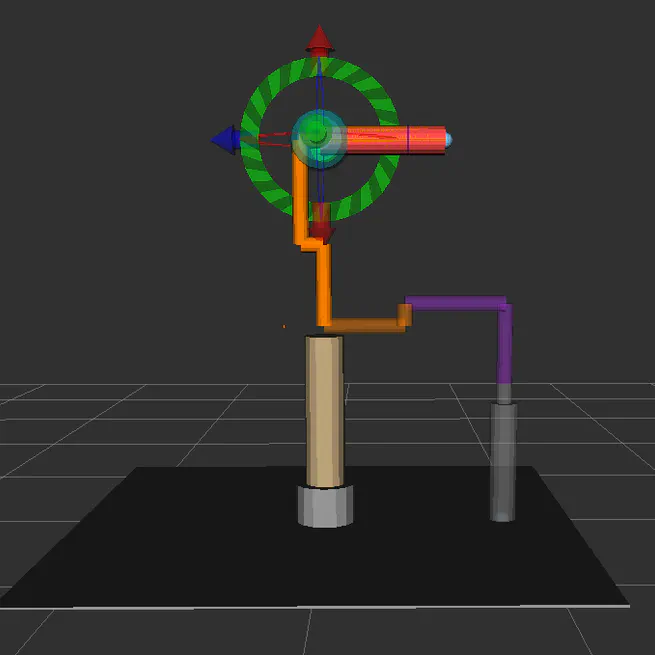
- graph-based representations of industrial systems
- physics-aware learning methods
- machine learning models that incorporate system architecture and physical constraints
More broadly, I am interested in how machine learning and data infrastructures can augment engineering design, operation, and maintenance, enabling intelligent systems that reason about complex machines and improve their performance over time.
My long-term goal is to pursue a Ph.D. in Artificial Intelligence and Machine Learning, with a focus on computational methods for the analysis, modeling, and design of complex engineering systems.
My research interests lie in learning-based approaches that integrate machine learning with structured representations of engineering systems and physical knowledge. I am especially interested in developing intelligent computational tools that support the analysis, design, and operation of advanced engineered systems, enabling more systematic and data-informed engineering processes.
Research Keywords
AI for Engineering Design Intelligent Diagnosis Physics-informed ML Graph Learning for Cyber-Physical Systems Industrial AI Predictive Maintenance
Machine Learning for Engineering Systems
Technologies
- Python (NumPy, Pandas, SciPy, PyTorch)
- Time-series modeling
- Graph-based learning approaches
- System identification
- Physics-informed machine learning
Development of machine learning methods that integrate engineering knowledge and physical constraints to improve monitoring, reliability, and decision-making in complex industrial systems.
Physics-Aware and Structured Machine Learning
Technologies
- Graph Neural Networks
- Causal modeling approaches
- Physics-informed neural networks
- Explainable AI (SHAP, PDP)
Research on learning approaches that incorporate system structure, causal relations, and physical constraints into machine learning models.
Industrial AI and Predictive Maintenance
Technologies
- LSTM / CNN architectures
- Survival models for RUL prediction
- Feature engineering for industrial sensor data
- Explainable AI
Design of ML systems for anomaly detection, degradation modeling, and remaining useful life (RUL) prediction using high-frequency sensor data from large-scale industrial assets.
Scalable Data and ML Systems for Industry
Technologies
- Docker-based architectures
- Dagster / Apache Airflow pipelines
- SQL / NoSQL systems (PostgreSQL, InfluxDB, Snowflake)
- Streaming technologies (Kafka, Solace, MQTT)
- Cloud ML systems (Azure ML, Databricks)
Development of data pipelines, telemetry systems, and deployable machine learning architectures for cyber-physical systems.